Delving into the realm of Life Insurance Quotes That Align With Retirement Planning, this guide invites readers into a world of financial foresight and security. With a focus on insightful information, this passage promises an enriching journey through the intricacies of life insurance in retirement planning.
Exploring the different types of policies, key considerations for choosing the right coverage, and strategies to maximize benefits, this guide is designed to equip individuals with the knowledge needed to make informed decisions for a secure retirement future.
Importance of Life Insurance in Retirement Planning
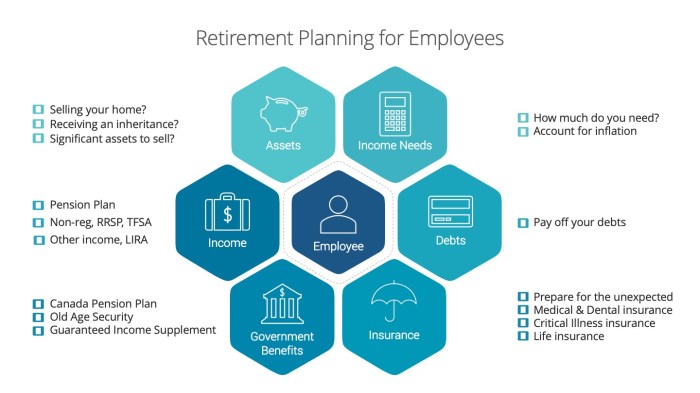
Life insurance plays a crucial role in retirement planning by providing financial security and peace of mind for retirees and their families.
Financial Stability:
Life insurance can help secure financial stability during retirement by providing a source of income replacement for beneficiaries in the event of the policyholder's passing. This can help cover outstanding debts, funeral expenses, and provide a financial cushion for loved ones.
Legacy Planning:
Life insurance benefits retirees and their families by allowing them to leave a financial legacy. This can include passing on wealth to future generations, funding charitable causes, or ensuring the financial well-being of surviving family members.
Estate Tax Planning:
Life insurance can also be used as a tool for estate tax planning, helping retirees minimize the tax burden on their assets and ensuring a smooth transfer of wealth to their heirs.
Types of Life Insurance Policies for Retirement Planning
When it comes to retirement planning, choosing the right life insurance policy is crucial to ensure financial security for you and your loved ones. Different types of life insurance policies offer various benefits and features that can align with your retirement goals.
Term Life Insurance vs. Whole Life Insurance
- Term Life Insurance:
- Provides coverage for a specific term, usually 10, 20, or 30 years.
- Offers lower premiums compared to whole life insurance.
- Ideal for covering temporary needs, such as paying off a mortgage or funding children's education.
- Whole Life Insurance:
- Provides lifelong coverage with a cash value component that grows over time.
- Offers guaranteed death benefits and cash value accumulation.
- Can be used as a source of tax-free income during retirement through policy loans or withdrawals.
Universal Life Insurance for Retirement Goals
Universal life insurance is another option that can align well with retirement planning objectives. This type of policy offers flexibility in premium payments and death benefits, allowing policyholders to adjust coverage as their financial needs change over time. Additionally, universal life insurance policies often come with a cash value component that earns interest based on market performance, providing a potential source of supplemental income during retirement.
By leveraging the cash value of a universal life insurance policy, policyholders can access funds to supplement their retirement income or cover unexpected expenses without incurring tax liabilities. Overall, universal life insurance can serve as a valuable asset in a comprehensive retirement planning strategy, offering both protection and growth potential for policyholders and their beneficiaries.
Factors to Consider When Choosing Life Insurance for Retirement
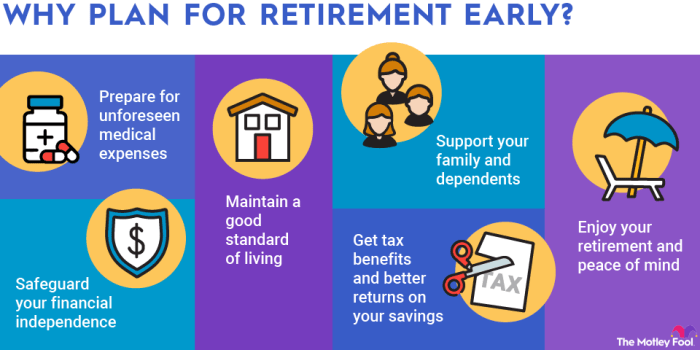
When it comes to choosing life insurance for retirement planning, there are several key factors that individuals should take into consideration. Factors such as age, health, and financial goals play a crucial role in determining the type and amount of life insurance that would best suit one's retirement needs.
Additionally, assessing coverage needs based on retirement plans and income sources is essential to ensure adequate financial protection during retirement.
Age
Age is a significant factor to consider when selecting life insurance for retirement. Younger individuals typically pay lower premiums for life insurance policies compared to older individuals. It is important to assess how your age may impact the cost of premiums and the length of coverage needed to align with your retirement goals.
Health
Your health status plays a crucial role in determining the type of life insurance that would be suitable for your retirement planning. Individuals with pre-existing health conditions may find it challenging to secure certain types of life insurance policies or may have to pay higher premiums.
It is essential to evaluate your health status and consider how it may affect your ability to obtain affordable life insurance coverage for retirement.
Financial Goals
Understanding your financial goals for retirement is vital when choosing life insurance. Consider factors such as your desired retirement lifestyle, anticipated expenses, and income sources during retirement. This information will help you determine the amount of coverage needed to support your financial objectives and provide financial security for your loved ones.
Strategies for Maximizing Life Insurance Benefits in Retirement
Life insurance can be a valuable tool for ensuring financial security during retirement. By strategically planning and leveraging life insurance policies, individuals can maximize the benefits they receive in their later years. Here are some strategies to optimize life insurance benefits during retirement:
Using Life Insurance as Part of an Estate Planning Strategy
Life insurance can play a crucial role in estate planning, especially for retirees looking to pass on assets to their heirs. By naming beneficiaries in their life insurance policy, individuals can ensure that their loved ones receive a tax-free death benefit upon their passing.
This can help to protect their legacy and provide financial support to their family members.
Leveraging Life Insurance to Leave a Financial Legacy
Another way to maximize life insurance benefits in retirement is to use the policy to leave a financial legacy for heirs or charitable causes. By setting up a trust or foundation and designating the proceeds from the life insurance policy to go towards these beneficiaries, individuals can create a lasting impact even after they are gone.
This can be a meaningful way to support causes that are important to them and leave a lasting legacy for future generations.
Ending Remarks
In conclusion, Life Insurance Quotes That Align With Retirement Planning offers a roadmap to financial stability and legacy-building in the golden years. By understanding the importance of life insurance, exploring the suitable policies, and leveraging strategies for maximum benefits, individuals can pave the way for a secure and fulfilling retirement.
Q&A
What are the benefits of having life insurance in retirement planning?
Life insurance provides financial security for retirees and their families, ensuring stability and peace of mind during the golden years.
How can age and health impact the choice of life insurance for retirement?
Age and health play a crucial role in determining the type and coverage amount of life insurance suitable for retirement planning. Younger individuals may opt for different policies compared to older retirees.
What strategies can be used to optimize life insurance benefits during retirement?
Maximizing life insurance benefits in retirement can be achieved through estate planning, leveraging policies for financial legacy planning, and ensuring coverage aligns with retirement goals.