Exploring the realm of Commercial Auto Insurance for Fleet-Based Businesses, this introduction delves into the vital protection it offers to businesses with mobile operations. From safeguarding vehicles to mitigating risks, this topic provides a comprehensive guide for fleet-based enterprises.
Detailing the nuances of coverage options and premium factors, this narrative aims to equip readers with essential knowledge to make informed decisions regarding their commercial auto insurance needs.
Overview of Commercial Auto Insurance for Fleet-Based Businesses
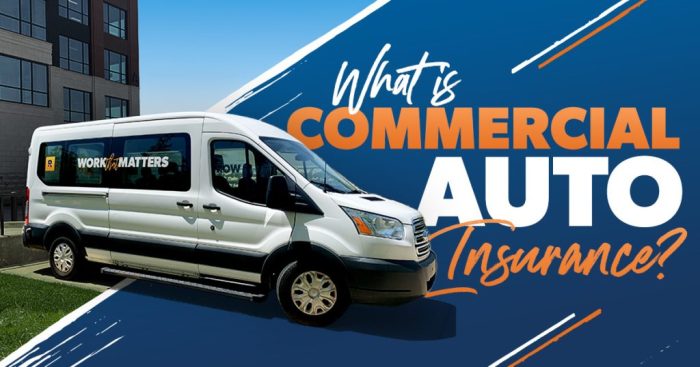
Commercial auto insurance is a type of insurance policy specifically designed to protect vehicles used for business purposes. For fleet-based businesses, commercial auto insurance is essential to cover the company's vehicles and drivers in case of accidents, damages, or other unforeseen events on the road.
Types of Vehicles Covered
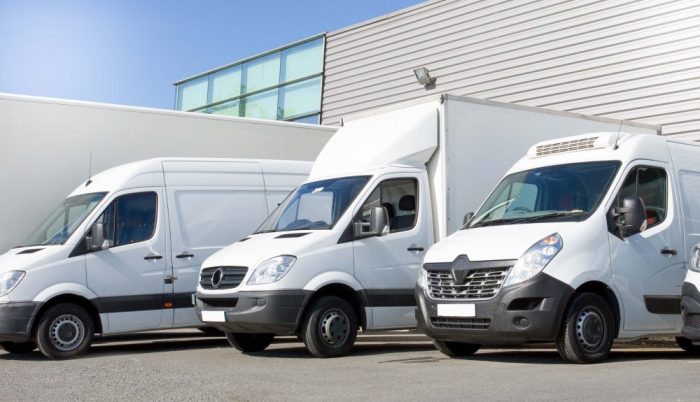
Commercial auto insurance typically covers a wide range of vehicles commonly used by fleet-based businesses, including delivery vans, trucks, buses, and company cars. These policies can also extend coverage to trailers and specialized vehicles essential for the business operations.
Key Differences from Personal Auto Insurance
One of the main differences between commercial auto insurance and personal auto insurance is the scope of coverage. Commercial policies often provide higher liability limits and additional coverage options tailored to the unique needs of businesses. Additionally, commercial auto insurance considers factors such as the number of vehicles, drivers, and miles driven, which may impact the premium rates.
Factors Impacting Commercial Auto Insurance Premiums
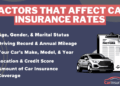
When it comes to commercial auto insurance for fleet-based businesses, several factors come into play when determining insurance premiums. These factors can significantly impact the cost of insurance coverage for a business.
Size of the Fleet
The size of the fleet is a crucial factor that insurance companies consider when calculating premiums. Generally, the larger the fleet, the higher the risk of accidents or claims. A larger fleet means more vehicles on the road, which increases the likelihood of incidents.
As a result, businesses with larger fleets may face higher insurance premiums compared to those with smaller fleets.
Driving Records
Another important factor that insurance companies take into account is the driving records of the drivers within the fleet. Businesses with a history of accidents or traffic violations are considered higher risk and may face higher premiums. On the other hand, businesses with a clean driving record and drivers with good driving histories are likely to receive lower insurance rates.
Vehicle Types
The types of vehicles in the fleet also play a significant role in determining insurance premiums. Vehicles that are more expensive to repair or replace, such as commercial trucks or specialized vehicles, may result in higher premiums. Additionally, the age and condition of the vehicles can impact insurance costs.
Newer vehicles with advanced safety features may qualify for discounts, while older vehicles may lead to higher premiums.
Safety Measures and Training Programs
Implementing safety measures and training programs within the business can help reduce insurance costs. Insurance companies often offer discounts to businesses that have safety protocols in place, such as regular vehicle maintenance, driver training programs, and safety technology installations. By prioritizing safety within the fleet, businesses can demonstrate a commitment to reducing risks, which can lead to lower insurance premiums.
Coverage Options Available for Fleet-Based Businesses
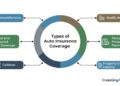
When it comes to commercial auto insurance for fleet-based businesses, there are several coverage options available to ensure comprehensive protection for the vehicles and drivers. Understanding these options is crucial in managing risks effectively and safeguarding the business assets.
Liability Coverage
- Liability coverage is essential for fleet-based businesses as it protects against claims and lawsuits resulting from accidents where the business is at fault.
- This coverage helps in covering medical expenses, property damage, and legal fees, providing financial protection in case of a liability claim.
Comprehensive Coverage
- Comprehensive coverage offers protection against non-collision incidents such as theft, vandalism, natural disasters, and other unforeseen events.
- It ensures that fleet vehicles are covered for damages not caused by a collision, offering peace of mind and financial security.
Collision Coverage
- Collision coverage helps in repairing or replacing fleet vehicles damaged in a collision with another vehicle or object.
- It is important for fleet-based businesses to have collision coverage to minimize financial losses in case of accidents.
Uninsured/Underinsured Motorist Coverage
- Uninsured/underinsured motorist coverage is crucial for fleet-based businesses to protect against accidents involving drivers who do not have insurance or have insufficient coverage.
- This coverage helps in covering medical expenses and damages when the at-fault party is unable to pay, ensuring adequate protection for the business.
Endorsements or Riders
- Adding endorsements or riders to a commercial auto insurance policy can provide additional protection for specific needs or situations not covered by standard policies.
- These customized options allow fleet-based businesses to tailor their coverage according to their operations and requirements, enhancing overall protection.
Best Practices for Managing Commercial Auto Insurance
When it comes to managing commercial auto insurance for fleet-based businesses, there are several best practices that can help ensure smooth operations and cost-effective coverage. Regularly reviewing and updating insurance policies, as well as handling claims efficiently, are key components of effective insurance management.
Regular Review and Updates
It is essential for fleet-based businesses to regularly review and update their commercial auto insurance policies. This allows them to ensure that their coverage aligns with their current needs and operations. By keeping policies up-to-date, businesses can avoid gaps in coverage and ensure they are adequately protected in case of accidents or other incidents.
Efficient Claims Handling
Efficiently handling claims is crucial for minimizing disruptions to business operations. Fleet-based businesses should have clear protocols in place for reporting and managing claims promptly. This includes documenting all relevant information, working closely with insurance providers, and following up to ensure timely resolution.
By handling claims efficiently, businesses can minimize downtime and keep their operations running smoothly.
Final Review
In conclusion, Commercial Auto Insurance for Fleet-Based Businesses is not just a necessity but a strategic investment in safeguarding your assets. By understanding the coverage options, managing premiums effectively, and adopting best practices, businesses can navigate the roads ahead with confidence and security.
FAQ
What does commercial auto insurance cover?
Commercial auto insurance typically covers liability, physical damage, medical payments, and uninsured/underinsured motorists.
How can fleet size impact insurance premiums?
The larger the fleet, the higher the premiums due to increased risks. Insurance companies may offer discounts for larger fleets with good safety records.
Are there specific coverage options for specialized vehicles?
Yes, specialized vehicles like refrigerated trucks or construction vehicles may require additional endorsements or riders for adequate coverage.