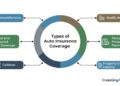
Delving into the realm of Cheap Auto Insurance Policies With Flexible Payment Options, this guide offers a wealth of information to help you navigate the world of affordable coverage with flexible payment plans. Let's explore the key aspects and considerations when it comes to securing the best auto insurance deals tailored to your needs.
In the subsequent section, we will delve deeper into the specifics of different payment options and cost-cutting strategies that can work to your advantage.
Understanding Cheap Auto Insurance Policies
When it comes to auto insurance, finding a policy that is both affordable and provides adequate coverage is crucial. Cheap auto insurance policies are those that offer lower premiums without compromising on the benefits and protection they provide. Let's delve into what makes auto insurance policies cheap and the factors that influence their cost.
Factors Influencing the Cost of Auto Insurance
Several factors come into play when determining the cost of auto insurance. These include:
- Your driving record: A clean driving record with no accidents or traffic violations typically leads to lower premiums.
- The type of coverage: The more comprehensive the coverage, the higher the premium. Opting for basic coverage can help lower costs.
- Your vehicle: The make and model of your car, as well as its age and value, can impact insurance rates.
- Your age and location: Younger drivers and those living in areas with higher rates of accidents or theft may face higher premiums.
- Credit score: In some states, insurance companies consider your credit score when determining rates.
Importance of Finding Affordable Coverage with Flexible Payment Options
Having affordable auto insurance coverage is essential for ensuring financial security in case of an accident. By choosing a policy with flexible payment options, you can manage your budget more effectively and avoid financial strain. Flexible payment options allow you to spread out the cost of insurance over time, making it more manageable and convenient.
Types of Flexible Payment Options

When it comes to auto insurance policies, having flexible payment options can make managing your budget easier. Here are the different types of payment plans available, along with their advantages and disadvantages.
Monthly Payment Plan
- Advantages:
- Allows for smaller, more manageable payments each month.
- Can help with budgeting as payments are spread out over the year.
- Disadvantages:
- May end up costing more due to processing fees or installment charges.
- Missing a payment could result in policy cancellation.
Quarterly Payment Plan
- Advantages:
- Less frequent payments compared to monthly plans.
- May offer a slight discount compared to monthly plans.
- Disadvantages:
- Still subject to fees for processing each payment.
- Policy cancellation risk if payments are missed.
Semi-Annual Payment Plan
- Advantages:
- Only two payments a year, reducing administrative hassle.
- Potential for a larger discount compared to monthly or quarterly plans.
- Disadvantages:
- Higher upfront cost compared to more frequent payment plans.
- Risk of policy cancellation if payments are not made on time.
Annual Payment Plan
- Advantages:
- Typically offers the largest discount compared to other payment plans.
- Less frequent payments mean less chance of missing a payment.
- Disadvantages:
- Requires a larger upfront payment for the entire year.
- May not be feasible for those on a tight budget.
Examples of Insurers Offering Flexible Payment Options
- State Farm: Offers monthly, quarterly, semi-annual, and annual payment plans.
- GEICO: Provides monthly and annual payment options for customers.
- Progressive: Allows policyholders to choose between monthly, semi-annual, or annual payments.
Customizing Coverage to Lower Costs
When it comes to lowering auto insurance costs, one effective strategy is customizing coverage to match individual needs. By adjusting coverage levels and deductibles, drivers can find a balance between adequate protection and affordable premiums.
Adjusting Coverage Levels
- Consider dropping collision and comprehensive coverage on older vehicles to save on premiums.
- Review liability limits and adjust them based on personal assets and risk tolerance.
- Opt for higher uninsured/underinsured motorist coverage to protect against drivers with insufficient insurance.
Impact of Deductibles
- Choosing a higher deductible can significantly reduce insurance premiums.
- While a higher deductible means paying more out of pocket in the event of a claim, it can lead to long-term savings.
- Drivers should assess their financial situation and driving habits to determine the most appropriate deductible amount.
Tips for Customizing Coverage
- Regularly review coverage needs based on changes in lifestyle, vehicle value, and driving patterns.
- Bundle auto insurance with other policies to qualify for multi-policy discounts.
- Explore usage-based insurance programs that offer discounts based on driving behavior.
Finding the Best Deals

When it comes to finding the best deals on cheap auto insurance policies with flexible payment options, there are a few key strategies to keep in mind. One of the most important steps is comparing quotes from multiple insurance companies.
This allows you to see the range of prices available and find the most competitive offer for your needs. Additionally, negotiating with insurers can help you secure better rates or discounts, saving you even more money in the long run.
Comparing Quotes from Multiple Insurance Companies
Before settling on an auto insurance policy, it's crucial to gather quotes from several different companies. This will give you a comprehensive view of the options available to you and allow you to make an informed decision based on both coverage and cost.
- Utilize online comparison tools to easily gather quotes from multiple insurers.
- Consider reaching out to local insurance agents who can provide personalized quotes and advice.
- Don't forget to compare not only the premiums but also the coverage limits and deductibles offered by each company.
Negotiating with Insurers for Better Rates
Once you've gathered quotes, don't be afraid to negotiate with insurers to secure better rates or discounts. Many insurance companies are willing to work with customers to find a policy that fits their budget.
- Highlight any factors that make you a low-risk driver, such as a clean driving record or a safe vehicle.
- Ask about available discounts, such as multi-policy or safe driver discounts, that could lower your premium.
- Consider increasing your deductible to lower your premium, but make sure you can afford the out-of-pocket cost if you need to file a claim.
Ending Remarks
In conclusion, the world of auto insurance policies with flexible payment options is vast and varied. By customizing your coverage, understanding payment plans, and hunting for the best deals, you can ensure you have the protection you need at a price that suits your budget.
Top FAQs
What factors contribute to the affordability of auto insurance policies?
Auto insurance policies are considered cheap based on various factors such as the driver's age, driving history, type of vehicle, and coverage limits. Insurers also take into account the location and frequency of vehicle usage.
How can adjusting coverage levels help in lowering auto insurance costs?
By modifying coverage levels, policyholders can decrease their premiums. For instance, opting for a higher deductible or reducing coverage for specific incidents can lead to lower insurance costs. However, it's crucial to strike a balance to ensure adequate protection.
What are some effective strategies for finding the best deals on auto insurance with flexible payment options?
To secure the best deals, individuals should compare quotes from multiple insurers, leverage discounts, and consider bundling policies. Additionally, engaging in negotiations with insurers can often result in more favorable rates or additional perks.